

Trees are so familiar that it’s easy to take them for granted. Yet every tree is a remarkable living system – growing, storing carbon, creating habitat, supporting other species and changing the landscape around it.
Some can live for centuries. Others communicate through complex relationships beneath the soil. And even a single tree can become home to an extraordinary variety of life.
Here are ten fascinating facts about trees – and why each one matters.
A single tree cannot solve the world’s environmental problems. But planted in the right place, protected as it grows and considered as part of a wider habitat, a tree can provide an extraordinary range of benefits.
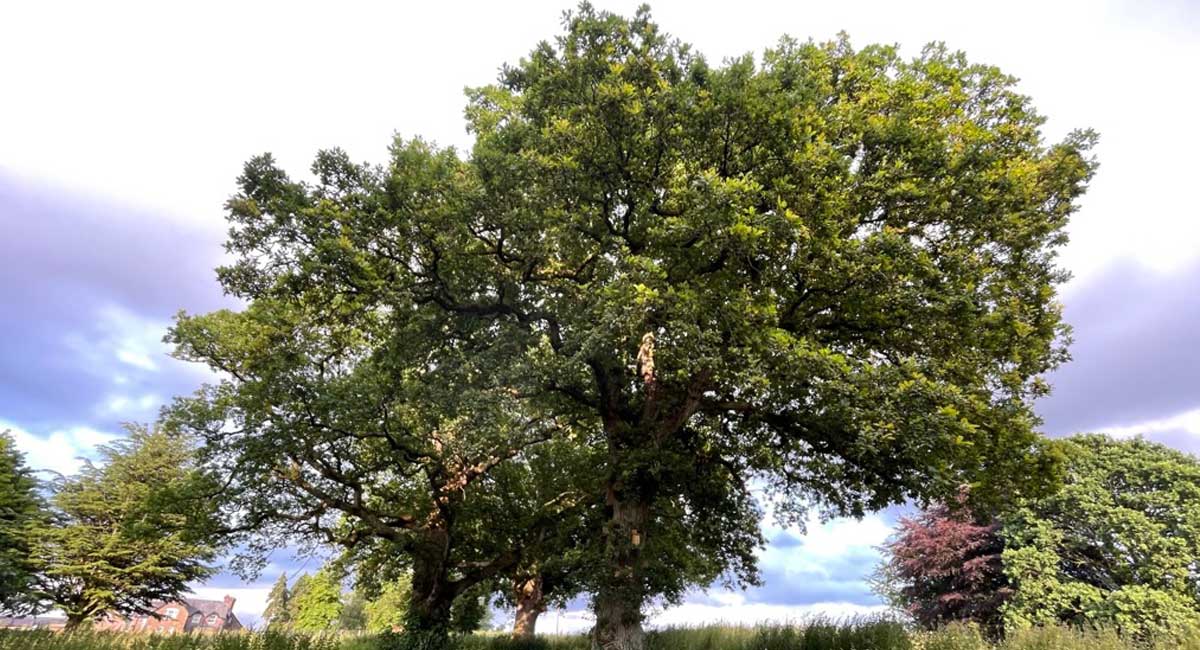
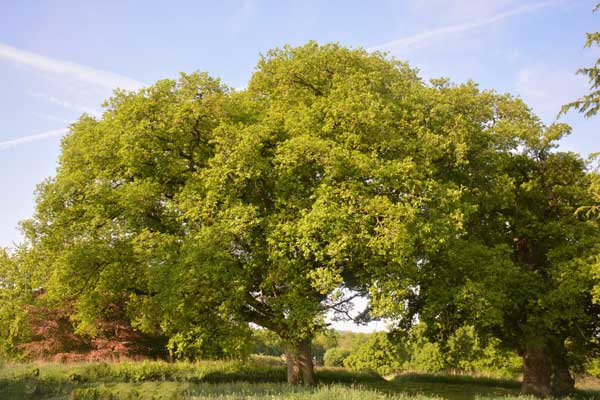
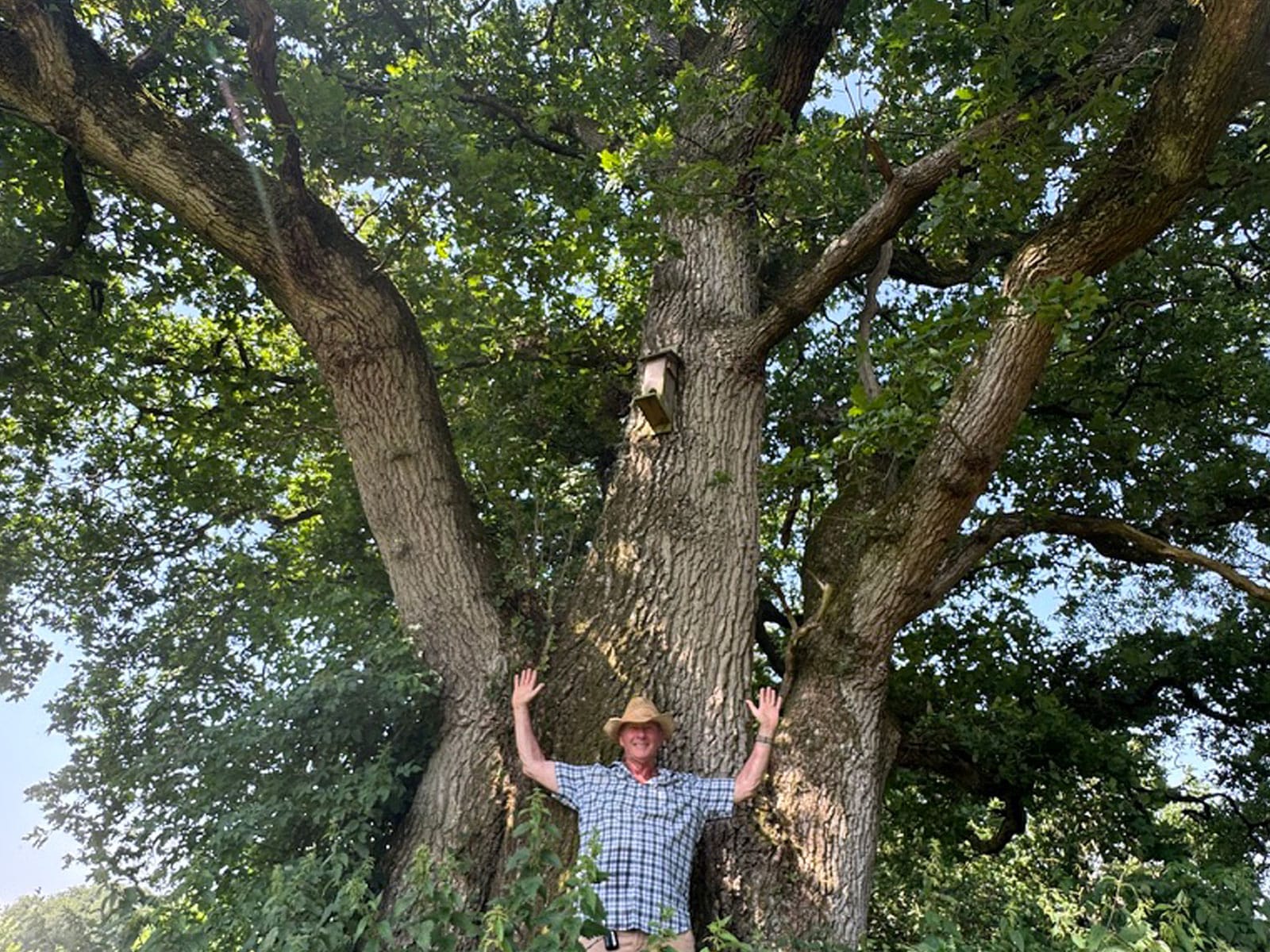
Some trees can survive for hundreds – and in exceptional cases thousands – of years.
That means a tree planted during one person’s lifetime could potentially provide shade, food and habitat for generations of people and wildlife yet to come.
What we see above ground is only part of the story.
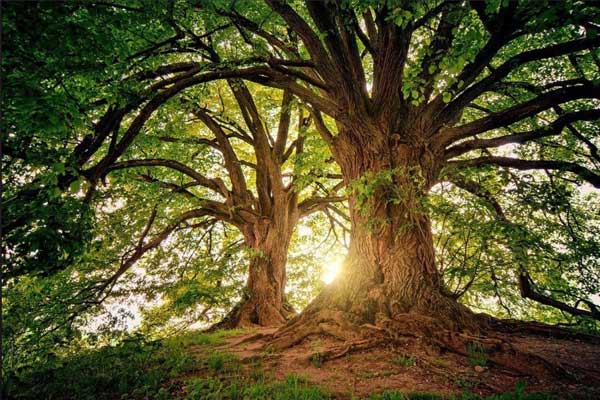
A tree’s roots anchor it, absorb water and nutrients and interact with an enormous community of fungi and microorganisms within the soil.
Healthy trees depend upon healthy soil – and healthy soil benefits from trees.
Unlike animals, trees can continue producing new growth throughout their lives.
Their trunks become wider, branches extend and root systems develop as they respond to changing conditions around them.
Every year’s growth becomes another chapter in the tree’s story.
A woodland isn’t simply a collection of individual trees.
Beneath the ground, tree roots exist alongside vast networks of fungi. Through these relationships, known as mycorrhizal associations, fungi can help trees obtain water and nutrients while receiving sugars produced by the tree through photosynthesis.
Scientists are continuing to investigate just how complex these underground interactions are.
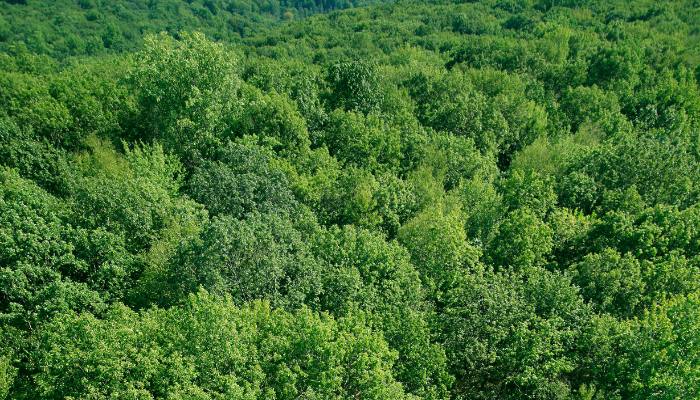
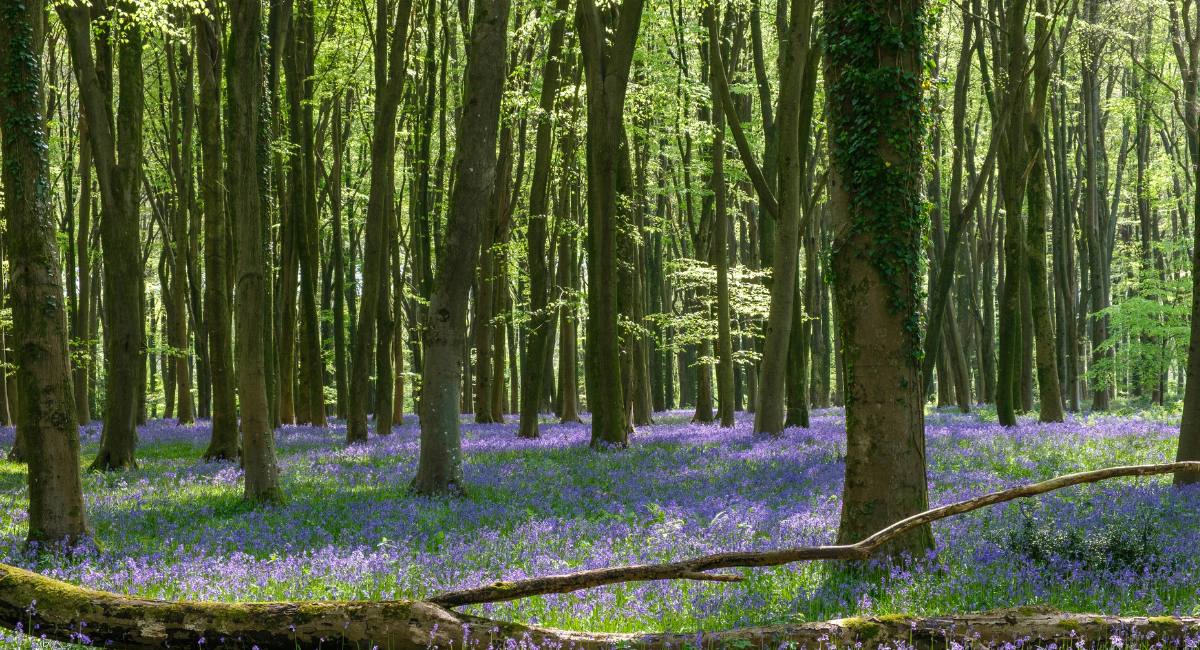
What we do know is that a healthy woodland is an interconnected ecosystem – from the canopy above our heads to the microscopic life beneath our feet.
As trees grow, they absorb carbon dioxide through photosynthesis and use carbon to build their trunks, branches and roots.
Some of that carbon can remain stored within the tree for many years.
This is one reason protecting existing forests and establishing new trees can form part of our response to climate change – although planting trees is not a substitute for reducing greenhouse gas emissions.
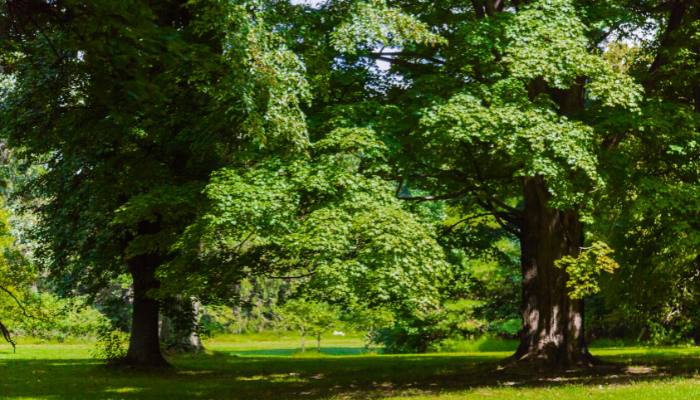
Stand beneath a large tree on a hot summer’s day and you can feel the difference.
Its canopy provides shade while water released through its leaves contributes to cooling the surrounding air.
At sufficient scale, trees can help make gardens, streets and landscapes more comfortable during hot weather.
A tree isn’t simply one living organism. Over time, it can become the foundation for an entire community.
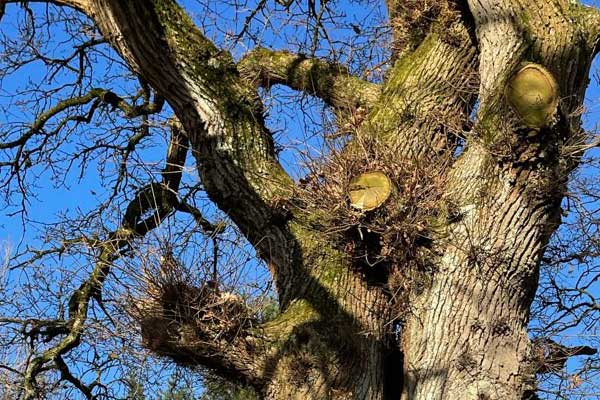
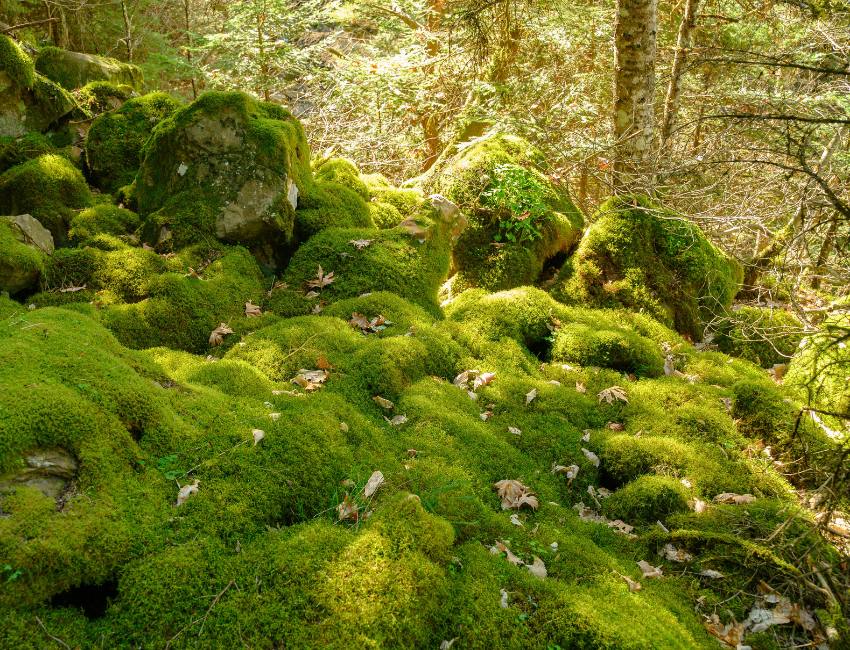
Birds may nest amongst its branches. Insects feed upon leaves, flowers, bark and deadwood. Fungi grow around its roots and decaying wood. Mosses and lichens colonise its bark. Small mammals use hollows and branches for shelter.
And when leaves fall or branches decay, those materials continue supporting life on and beneath the ground.
This is something we see repeatedly at the Gift a Tree nature reserve in Devon.
As trees and other habitats have been allowed to develop, wildlife has returned – sometimes in places where we least expected to find it.
Leaves can capture some airborne particles, while trees also absorb certain gaseous pollutants through their leaves.
The effect varies considerably according to species, location and environmental conditions, but trees and other vegetation can contribute to healthier urban environments when appropriately planted and managed.
rees don’t only benefit wildlife.
Research has associated access to green spaces and nature with benefits including relaxation, physical activity and psychological wellbeing.
Perhaps that shouldn’t be surprising.
For most of human history, nature wasn’t somewhere we visited – it was where we lived.
Most things we buy eventually disappear.
A tree is different.
Plant the right tree in the right place, give it the opportunity to establish and it could continue growing long after we’re gone.
As it matures, its role changes. A young sapling becomes a larger tree. Its canopy expands. Its bark develops. Hollows may eventually appear. More species find opportunities to feed, shelter and reproduce around it.
And perhaps one day, somebody you’ve never met will stand beneath its branches.
That’s what makes planting a tree such an extraordinary act of optimism.
| Cookie | Duration | Description |
|---|---|---|
| cookielawinfo-checkbox-analytics | 11 months | This cookie is set by GDPR Cookie Consent plugin. The cookie is used to store the user consent for the cookies in the category "Analytics". |
| cookielawinfo-checkbox-functional | 11 months | The cookie is set by GDPR cookie consent to record the user consent for the cookies in the category "Functional". |
| cookielawinfo-checkbox-necessary | 11 months | This cookie is set by GDPR Cookie Consent plugin. The cookies is used to store the user consent for the cookies in the category "Necessary". |
| cookielawinfo-checkbox-others | 11 months | This cookie is set by GDPR Cookie Consent plugin. The cookie is used to store the user consent for the cookies in the category "Other. |
| cookielawinfo-checkbox-performance | 11 months | This cookie is set by GDPR Cookie Consent plugin. The cookie is used to store the user consent for the cookies in the category "Performance". |
| viewed_cookie_policy | 11 months | The cookie is set by the GDPR Cookie Consent plugin and is used to store whether or not user has consented to the use of cookies. It does not store any personal data. |
Inspire pupils through environmental education and real-world tree planting projects.
Complete the short form below and we’ll get back to you to discuss how your school can take part, support tree planting, and help children connect with nature, biodiversity and sustainability.
No obligation — just a friendly conversation about how your school could get involved.
Tell us a little about your event and what you’re looking to achieve. We’ll help you create real environmental impact—whether that’s tree planting, promotion, or a tailored presentation.
No obligation—just a quick way to explore what’s possible.
Tell us a little about your business and what you’re looking to achieve. We’ll create a customised tree planting solution aligned with your goals, budget, and environmental objectives.
A quick, no-obligation call to explore how your business can make a real environmental impact through verified tree planting. We’ll discuss your goals and recommend the best approach for your organisation.
Discuss how your business can demonstrate real environmental impact through verified tree planting.
A short, no-obligation call to explore the best approach for your organisation.
Learn more about how environmental legacy giving could help support tree planting, biodiversity and future generations.
Complete the short form below and you will immediately receive access to our Legacy Information Pack.
There is absolutely no obligation, and all enquiries are treated with complete respect and confidentiality.
It’s never too late to spread joy and make a lasting impact. You can still order on Christmas Eve and even on Christmas Day! Give the perfect gift that grows—a tree planted in honor of someone special. It’s thoughtful, eco-friendly, and meaningful.”
✔ Instant e-card delivery
✔ Personalized message
✔ A gift that makes a difference for wildlife and the planet
Order now and save Christmas!